
Introduction
Cash flow is the financial lifeblood of your business. When managed poorly, even profitable companies can run into trouble—especially when faced with late payments or unrecoverable debt.
In this guide, we’ll explore five practical, proactive strategies that UK small business owners can adopt to maintain a healthy cash flow, avoid bad debt, and build financial resilience.
🔗 Related: Strategies to Avoid Late Payments and Maintain Cash Flow
1. Set Clear Payment Terms and Stick to Them
Before providing goods or services, it’s essential to establish clear payment expectations.
📝 Your terms should include:
Due dates (e.g. net 14, net 30)
Accepted payment methods
Penalties for late payment (as permitted by the Late Payment of Commercial Debts Act)
Deposit or upfront payment requirements
👉 Include these terms on all invoices and contracts. For added protection, implement personal guarantees on high-value deals.
📚 Further guidance: Designing a Clear Payment Policy for Your Business
2. Know Who You’re Dealing With
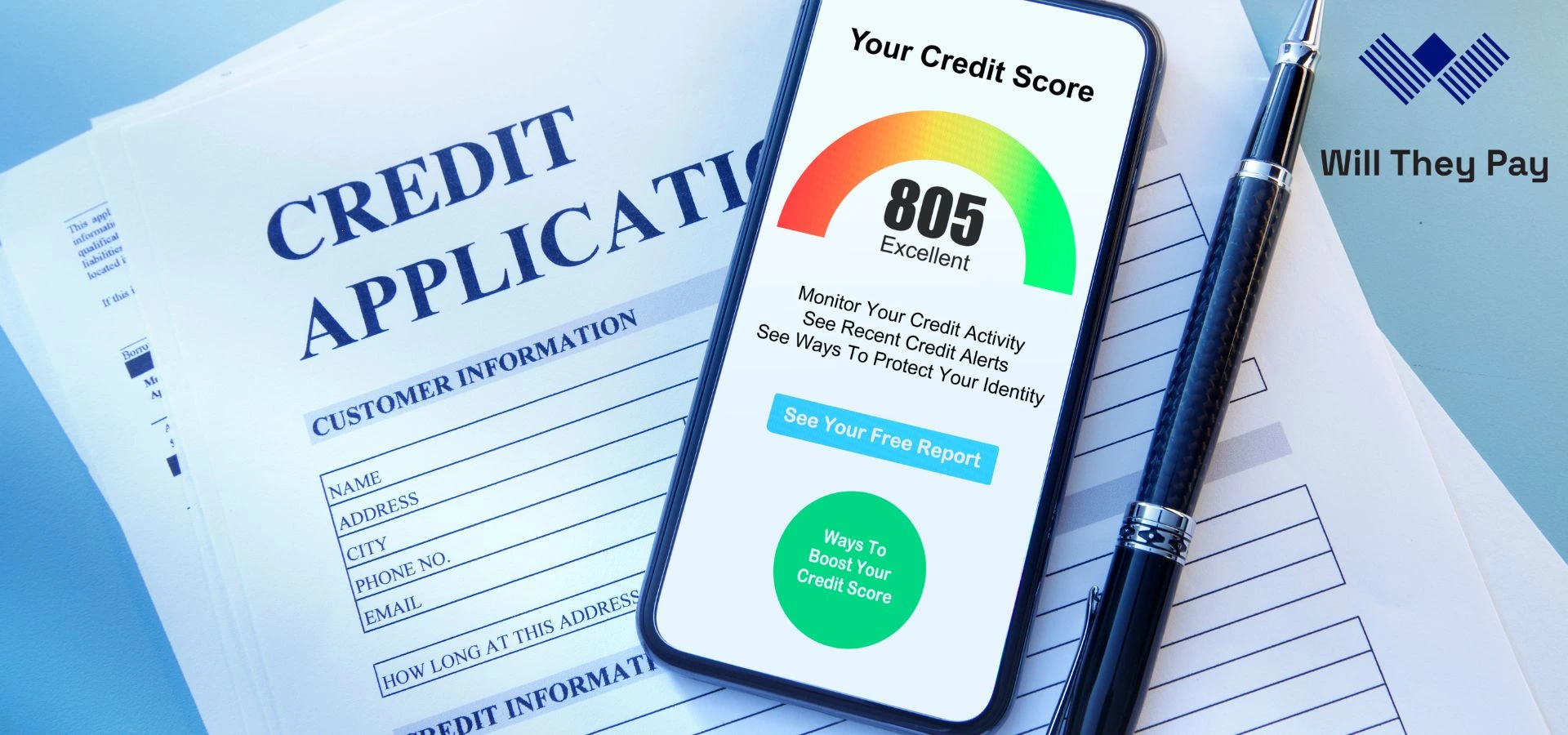
Not all clients are created equal. Conduct proper due diligence before offering credit terms.
✅ Use a credit referencing agency like Creditsafe or Experian UK to check your client’s financial health.
✅ Review payment behaviours on platforms like Will They Pay to assess risk.
✅ Ask for trade references or proof of ability to pay.
This front-loaded effort will help you avoid extending credit to unreliable customers, and reduce the risk of bad debt.
🔍 Explore more: Assessing Client Reliability: Credit Checks and Beyond
3. Invoice Promptly and Professionally
Late invoicing delays your income and complicates forecasting.
💼 Use tools like Xero or QuickBooks to:
Send invoices immediately after work is complete
Use clear formatting with itemised charges
Include clickable payment options (e.g. Stripe, PayPal, BACS)
Automate follow-up reminders
Consistent, timely invoicing also reinforces your professionalism and makes clients more likely to pay on time.
🔗 Improve your billing process: Streamlining Invoice Management – Tips for Efficiency
4. Monitor Your Cash Flow Weekly
Cash flow forecasting shouldn’t be a monthly ritual—it should be embedded in your weekly workflow.
📊 Use cloud software like Float to sync your forecast with your accounting data and:
Predict cash shortfalls
Track your receivables
Visualise your income vs outgoings
This helps you anticipate and prepare for dips, and enables you to make smart decisions like deferring costs or speeding up collections.
🔗 Related article: The Importance of a Good Credit Score in Business Transactions
5. Take Action Quickly on Overdue Payments
The longer a debt sits unpaid, the less likely it is to be collected.
⏱️ Have a standardised follow-up process:
Day 1: Polite reminder
Day 7: Second follow-up with late fee notice
Day 14+: Call, escalate, or send a formal letter
Day 30+: Consider a debt recovery partner or small claims action
Resources like Business Debtline can offer guidance, and if you're acting under the Late Payment Act, you may be entitled to statutory interest and compensation.
🧾 For a complete playbook: What to Do When Payments Are Delayed – A Step-by-Step Guide
Conclusion: Protect Your Business with Proactive Financial Habits
Maintaining a healthy cash flow isn’t about being reactive—it’s about embedding systems that support financial visibility, timely payments, and informed client choices.
✅ Use these five strategies to reduce risk, prevent late payments, and avoid writing off bad debt.
✅ Monitor your clients’ payment behaviour regularly, and don’t hesitate to take protective action early.
Additional Resources:
Will They Pay – Payment Behaviour Review Platform
GOV.UK – Late Payment Recovery
Float – Cash Flow Forecasting Tool

SHARE POSTTWEET POSTSHARE POSTSHARE POST