
Introduction
Extending credit can be a great way to build customer loyalty and grow sales—but it also introduces risk. When a client defaults, the consequences can stretch far beyond one unpaid invoice.
This article outlines the most common red flags UK business owners should look out for before offering credit, and shares best practices to carry out a thorough client risk assessment.
🔗 Related reading: Assessing Client Reliability: Credit Checks and Beyond
1. Poor Credit History
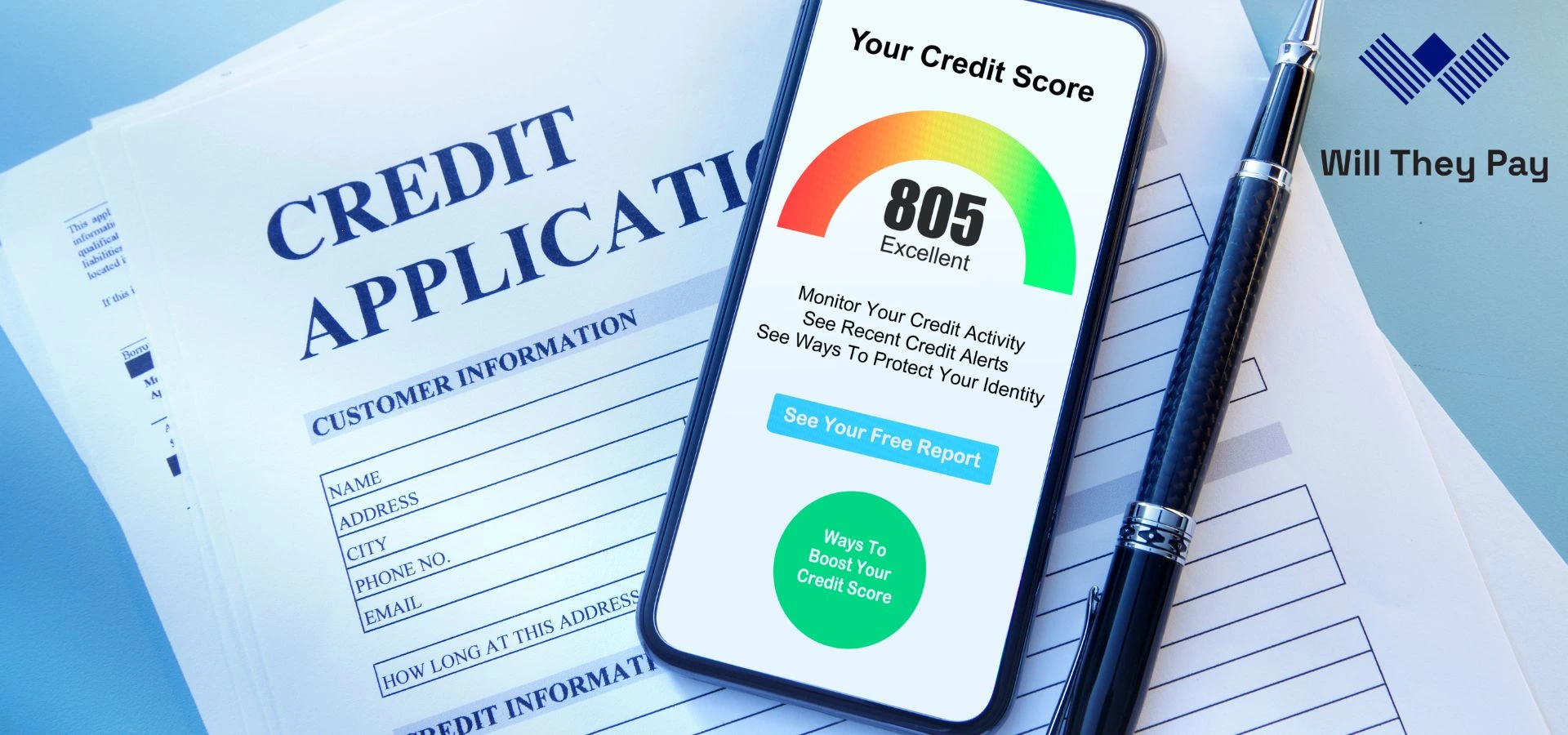
The most obvious—and often the most reliable—indicator of risk is a history of late or missed payments.
🛑 Check their credit file using tools like Creditsafe or Experian Business Reports.
🧾 Review payment patterns via trade references or payment review platforms such as Will They Pay.
Look for:
County Court Judgements (CCJs)
History of insolvency or voluntary arrangements
High number of credit enquiries in a short period
✅ Need help evaluating data? Visit: How to Credit Check a Client
2. Incomplete or Delayed Financial Disclosure
Trustworthy clients are usually willing and able to provide financial statements upon request.
⚠️ Warning signs include:
Reluctance to provide accounts
Audited financials more than 12 months old
Discrepancies between filed and shared reports
You can obtain public records via Companies House to cross-verify any data shared.
📚 For clarity on protecting yourself contractually, read: Designing a Clear Payment Policy for Your Business
3. Negative Payment Reputation
Sometimes a company may appear financially stable on paper—but their payment reputation says otherwise.
🔍 Look at client reviews and industry-specific forums.
🧾 Use Will They Pay to search verified reviews from UK businesses about others' payment behaviour.
💬 Ask your network or past suppliers if they've had issues receiving payment from the client in question.
💡 For insights into patterns across industries, check: Top 5 Payment Trends We’re Seeing on Will They Pay
4. Unusual Business Behaviour or Changes
Drastic or erratic changes can be signs of instability. Watch for:
Sudden name changes or company restructures
Director resignations or high staff turnover
Frequent changes in payment preferences or bank details
Press reports of litigation or internal disputes
Monitoring such activities through The Gazette and Companies House updates helps you stay aware of potential issues.
🔗 Keep cash flow steady: 5 Strategies to Maintain a Healthy Cash Flow & Avoid Bad Debt
5. High Dependency on a Single Client or Market
Even if your prospective client seems sound, their own business risk can become yours.
📉 Watch for:
Over-reliance on one customer or sector
Operating in a declining or highly volatile industry
Lack of diversification in product or service offerings
This information can often be gleaned from their annual reports, industry analysis, or a review of market news on sites like Reuters or Financial Times.
🧠 Expand on resilience tactics in: Navigating the Complexities of Business Payments and Invoices
Conclusion: Trust Your Data, Not Just Your Instincts
While relationships matter, due diligence is essential. Assessing risk before extending credit helps safeguard your business from:
✔️ Unpaid invoices
✔️ Cash flow disruption
✔️ Long-term financial damage
Use both financial data and behavioural insights to make informed decisions. A reliable client today can become a problem tomorrow—unless you spot the red flags early.
Additional Resources
Will They Pay – Payment Review Platform
Companies House – Check Company Financials
Creditsafe – Business Credit Checks

SHARE POSTTWEET POSTSHARE POSTSHARE POST